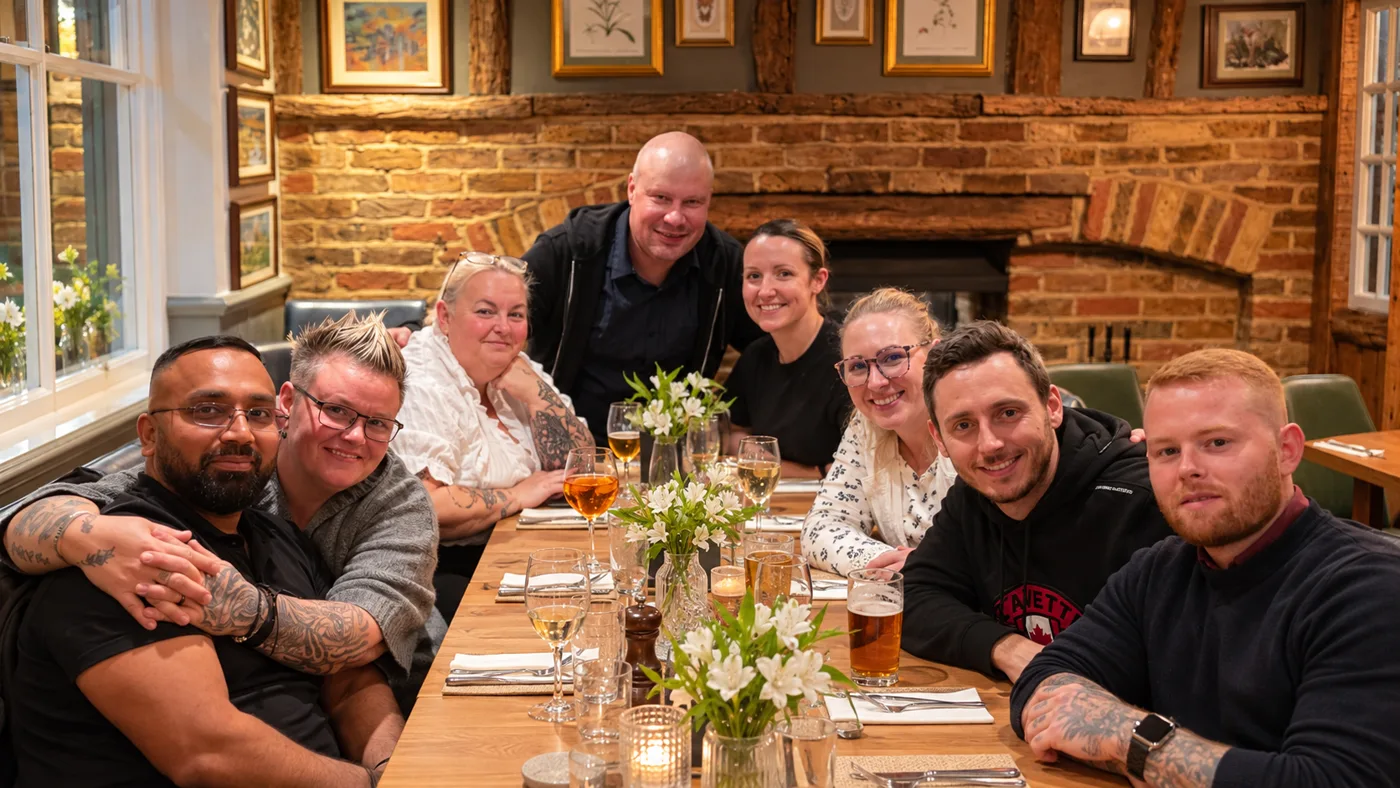

Adem Ahmet, 48, has grade 4 glioblastoma. He cannot work or drive, so he has relaunched his GoFundMe for time with Linda, 8 children and 11 grandchildren.
Adem Ahmet, a 48-year-old husband, father of eight and grandfather of 11 from London Colney, has relaunched his GoFundMe a little over a year after he was diagnosed with a grade 4 glioblastoma, a brain cancer he describes as “aggressive and currently incurable”. He has spent more than 30 years in retail, most recently at Sainsbury’s, and following Occupational Health advice he will not be going back to work.
His fundraiser, Support During Chemotherapy & Recovery, has raised £2,844 from 82 donations towards a £5,000 goal, according to the page when we checked it on 18 October 2026. He set it up in February and has now put it back in front of people because, in his words, “my circumstances have changed”.
“I’ve thought long and hard about sharing my GoFundMe again because asking people for help has never come naturally to me,” he writes on the page.
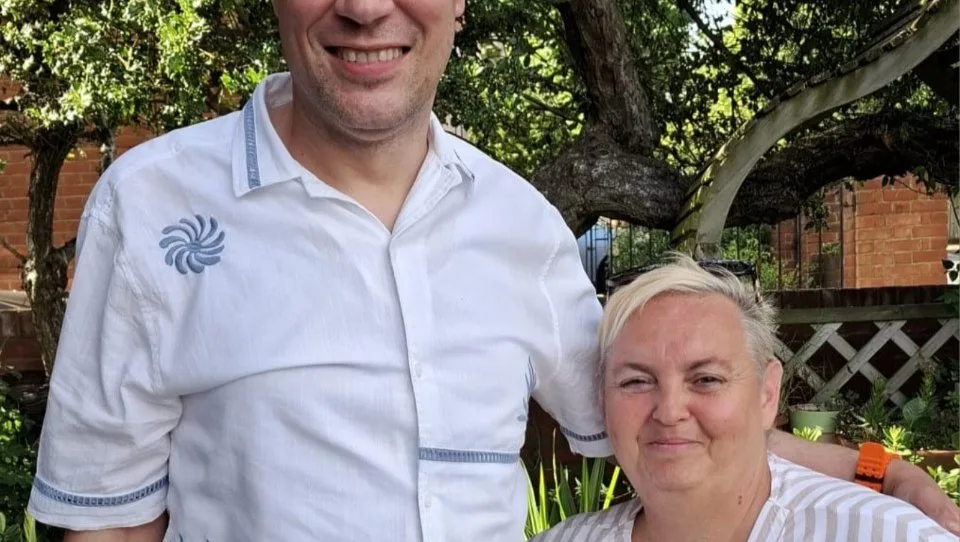
A year of treatment
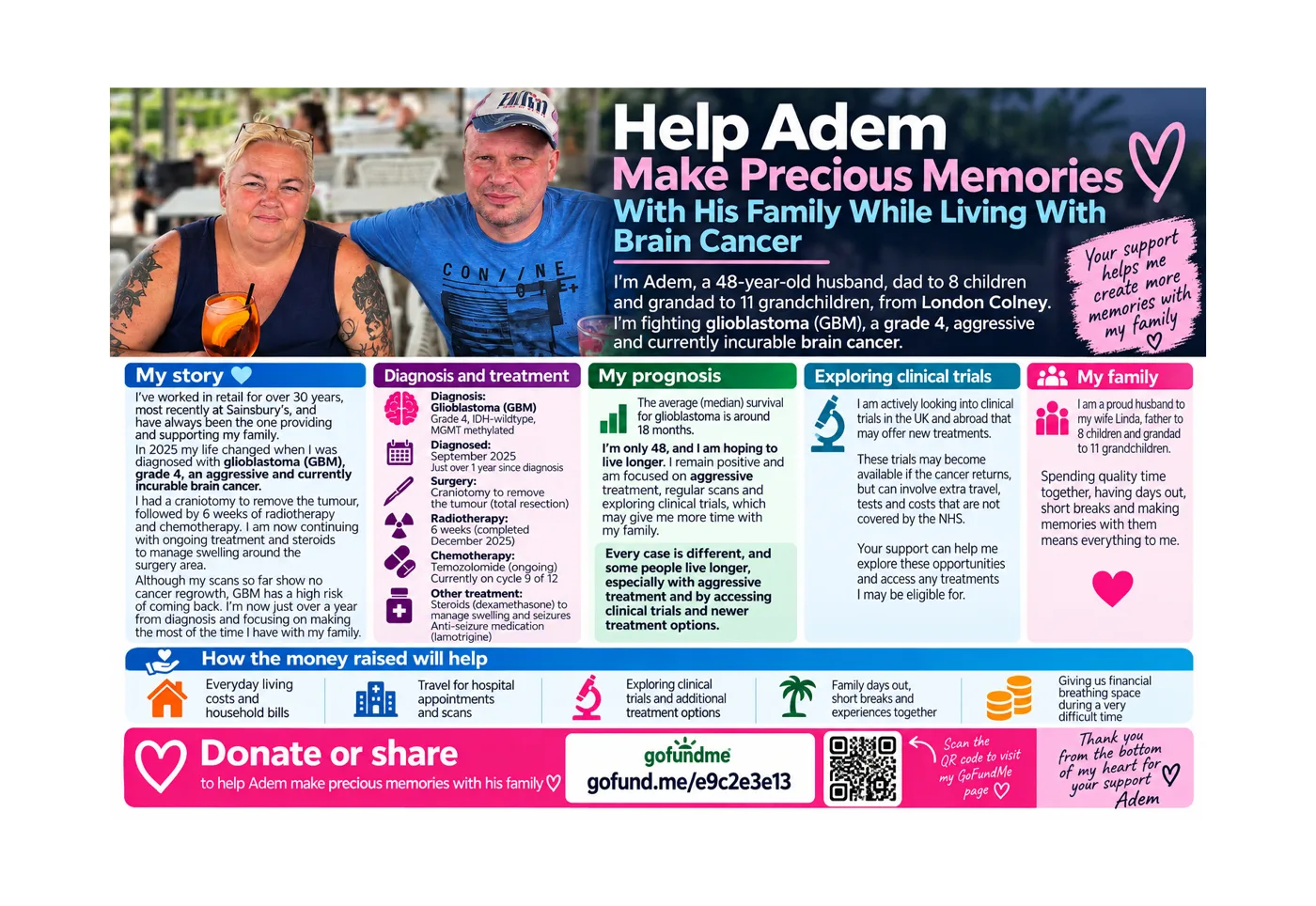
Adem sent us the information sheet he has made for the appeal. It says he was diagnosed in September 2025 with a glioblastoma, grade 4, IDH-wildtype and MGMT methylated. He had a craniotomy to remove the tumour, which the sheet records as a total resection, then six weeks of radiotherapy, completed in December 2025, alongside chemotherapy.
He is still on chemotherapy with temozolomide, taken for five days every cycle followed by a few weeks’ recovery. The sheet records cycle 9 of 12; by 18 October, he told us, he was on his tenth. He also takes the steroid dexamethasone to manage swelling and seizures, and the anti-seizure medicine lamotrigine.
“My scans currently show no cancer regrowth, which I’m incredibly grateful for, but I also know the reality of this disease,” he writes. “The average survival statistics for glioblastoma are around 18 months, although every person is different and statistics cannot tell me how long I personally have.
“I’m only 48 and I’m not giving up.”
“The bad days can be really bad”
What people see, he says, is not the whole of it.
“On a good day I can look and feel almost like there is nothing wrong with me. I can laugh, spend time with my family and try to live normally. Those are the days people often see.
“But the bad days can be really bad. There is the constant fatigue, shaking and side effects of treatment. I’ve also had to come to terms with living with epilepsy and the risk of seizures for the rest of my life. I can no longer drive, and things I once took for granted have changed completely.
“And behind every good day is the knowledge that I’m living with an incurable brain cancer. That is something both I and my family have to carry every single day, even when everything looks normal from the outside.”
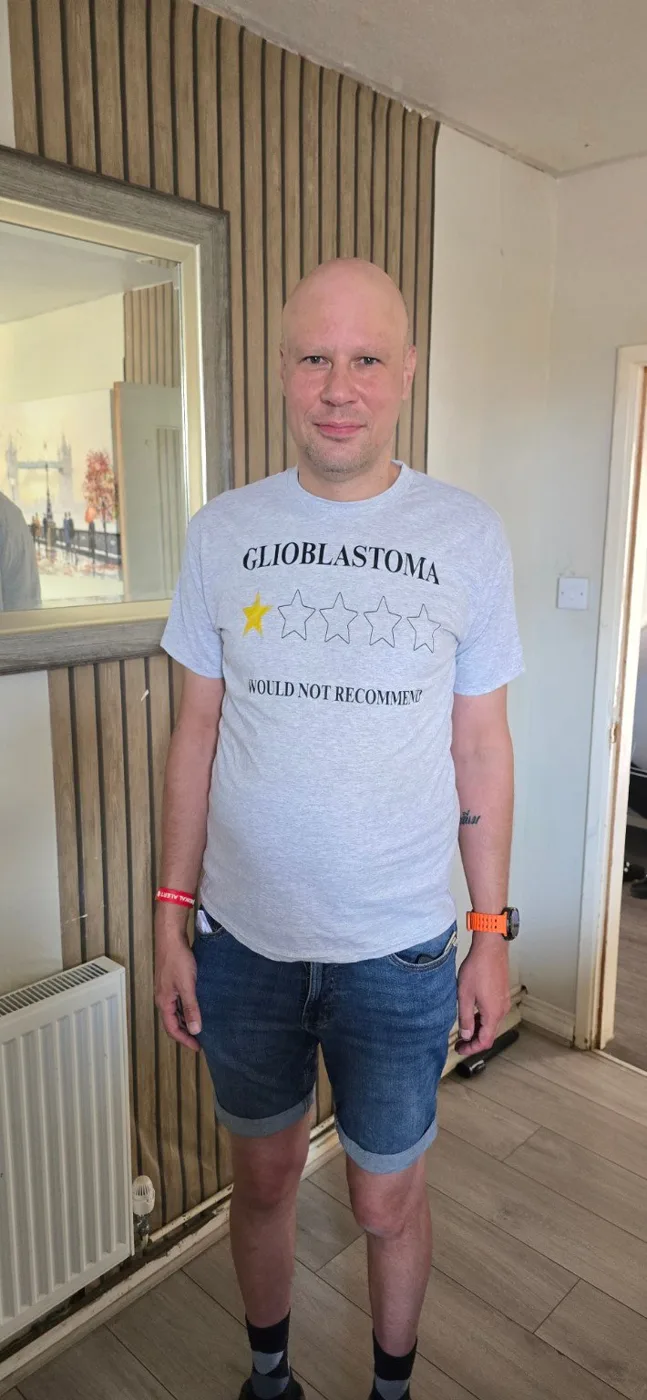
Losing work has been its own blow. “I’ve worked since I was 16 and spent more than 30 years in retail, so working and providing for my family have always been a huge part of who I am,” he writes. “Losing that income changes things financially, but this diagnosis has also completely changed the way I look at life.”
“Jealous of the little things”
In the early hours of 18 October Adem sent us a longer piece of his own writing, titled “The Things Cancer Has Made Me Jealous Of”. It is not about money, holidays, houses or cars, he says: “I’m talking about the little everyday things that most people, including the old me, take for granted.”
Work is the first of them. “I’ve worked since I was 16 years old. I’ve spent around 30 years of my life working in retail, including many years at Tesco and then Sainsbury’s,” he writes. “Yes, I moaned about work like everyone does… But I never imagined I’d reach a point where I’d actually wish I could go back.”
In September 2026 he left his job on medical grounds. “Not because I wanted to retire. Not because I was ready to stop working. But because cancer had made that decision for me. And that hurts more than people probably realise.”
The seizures cost him his driving licence. “I’ve had to learn to rely on buses, trains, lifts and other people,” he writes. “I’ve worked hard to rebuild my confidence and still go out independently when I can, but there’s always that little voice in the back of my head. What if I have another seizure? What if I fall and hurt myself? What if it happens when I’m on my own?”
Every change in his body now sets his mind going. “Before cancer, a headache was just a headache. Feeling tired meant I’d had a busy day or a bad night’s sleep… Now every little change in my body can set my mind racing. And I hate that.”
Then there is the wait between scans. “People sometimes say, ‘Try not to worry, everything will be fine.’ And I know they mean well. But when you’ve been diagnosed with an incurable brain tumour, you can’t just switch that fear off. Every scan carries the possibility that your whole world could change again.”
His family, he writes, are his world. “One of my biggest fears isn’t what happens to me. It’s what happens to them if I’m not here… I want to grow old with my wife. I want to be that annoying old dad and grandad who’s always giving advice, winding everyone up and telling the same stories over and over again. I want to be there when they need me. I want more time.”
And the jealousy, he is careful to say, carries no grudge. “Jealous of people who can make those plans without thinking twice. Jealous of people who can book a holiday without wondering what their health will be like by then… But I don’t resent them. I wouldn’t wish what I’m going through on anybody. I just wish I could have a little bit of that peace of mind back.”
People tell him how strong and positive he is. “I appreciate every single person who says those things. But the truth is, I’m not always strong. Sometimes I’m scared. Sometimes I cry,” he writes. “And sometimes I just want to be me again… A husband, dad, grandad and someone who loves his family, football, travelling, gardening and enjoying life.”
“I’m still here. I’m still fighting. My treatment is going to plan, and my scans have continued to show no regrowth. I’ve got so much to be thankful for.”
Why did cancer choose me?
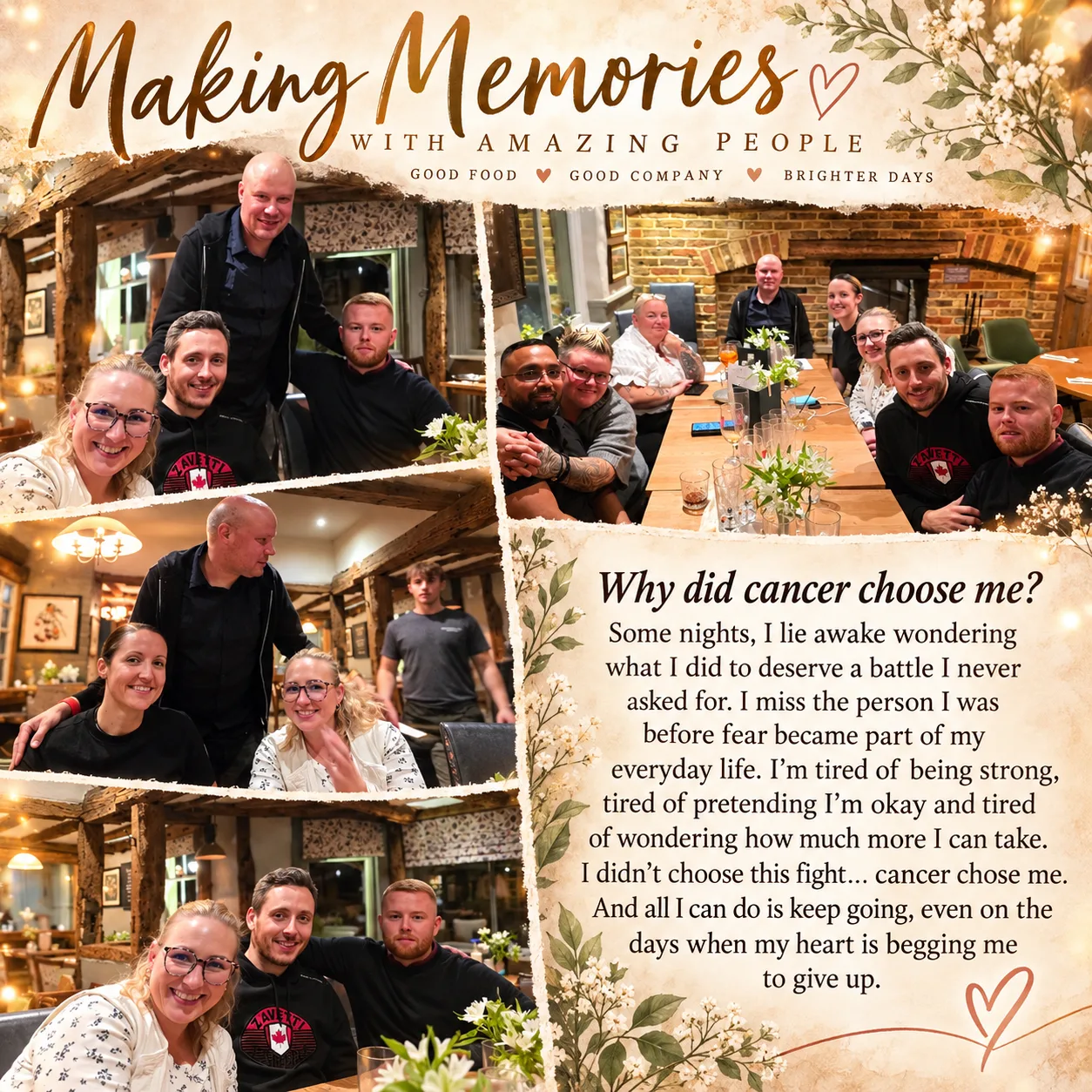
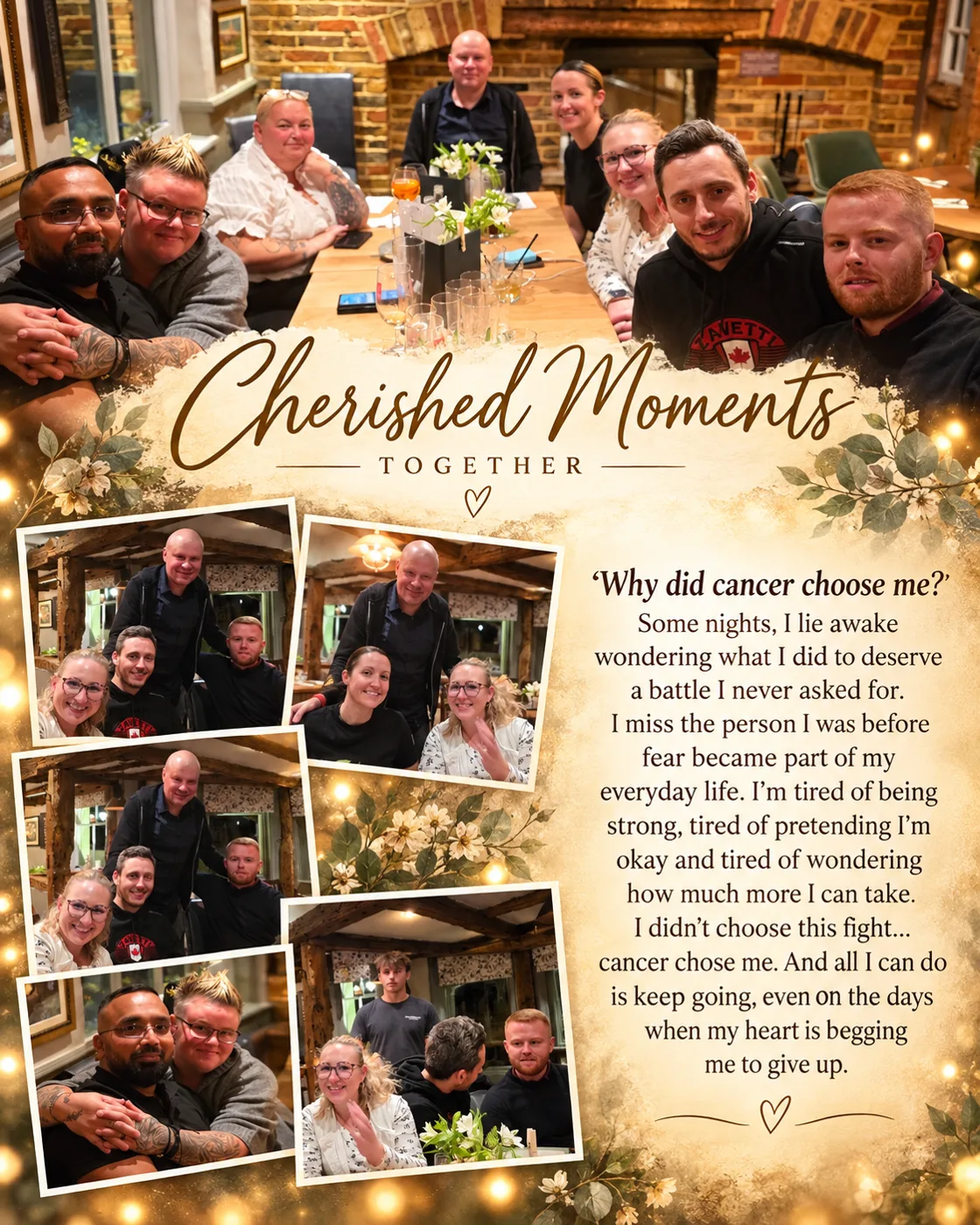
Alongside the photographs, Adem sent two picture collages from evenings out with friends and family, headed “Making Memories” and “Cherished Moments”. Both carry the same passage he wrote:
“Some nights, I lie awake wondering what I did to deserve a battle I never asked for. I miss the person I was before fear became part of my everyday life. I’m tired of being strong, tired of pretending I’m okay and tired of wondering how much more I can take. I didn’t choose this fight… cancer chose me. And all I can do is keep going, even on the days when my heart is begging me to give up.”
What the money is for
The appeal sheet and the page list five things: everyday living costs and household bills; travel to hospital appointments and scans; exploring clinical trials and additional treatment options; family days out, short breaks and experiences together; and “giving us financial breathing space during a very difficult time”.
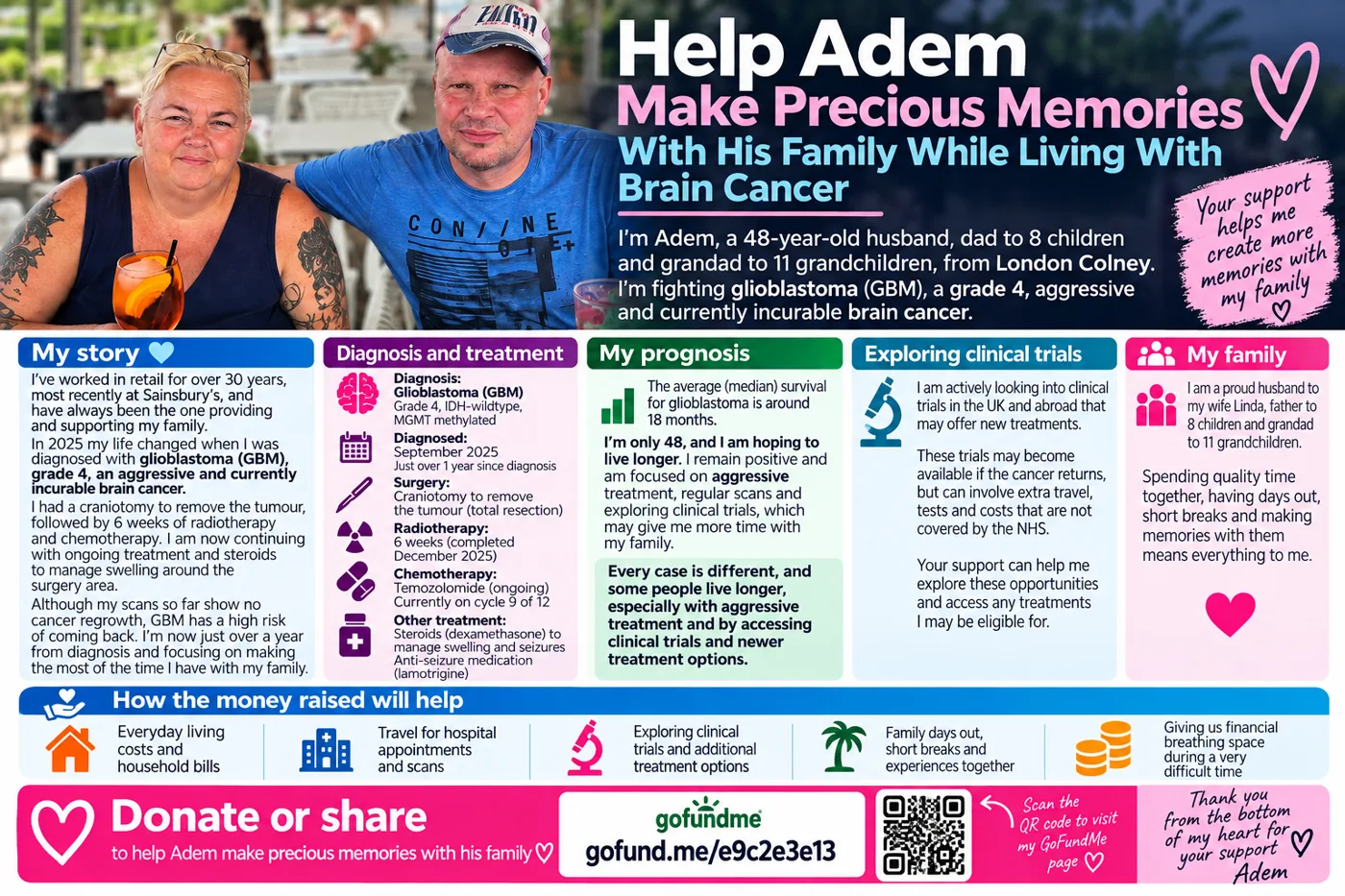
On trials, he writes on the sheet that he is “actively looking into clinical trials in the UK and abroad that may offer new treatments”, and that “these trials may become available if the cancer returns, but can involve extra travel, tests and costs that are not covered by the NHS”.
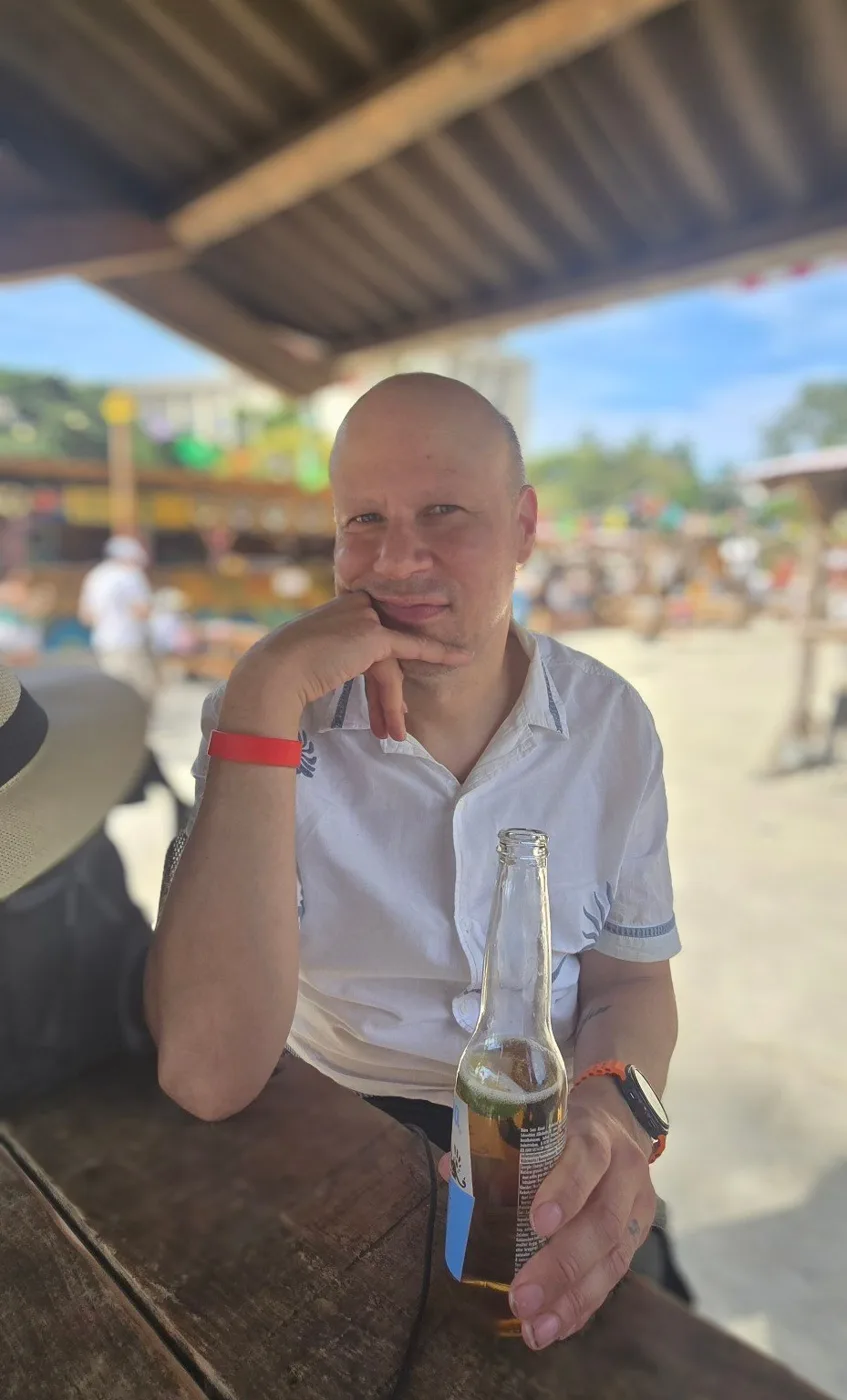
But family comes first. “My priority now is Linda, my children and my grandchildren,” he writes. “While I’m well enough, I want to spend time with them, have days out, take the occasional short break, laugh together and make as many memories as possible.”
What it means for you
The fundraiser is at gofundme.com/f/pmem3-support-during-chemotherapy-recovery, and Adem is organising it himself. He asks for help in either form: “If you can donate, no matter how small, thank you from the bottom of my heart. And if you can’t donate, please share my fundraiser. A share costs nothing but could help my story reach someone new.”
“Thank you to every person who has donated, shared my page, sent a message or simply checked in on us,” Adem writes. “Thank you for continuing to support me and my family.”
Have your say