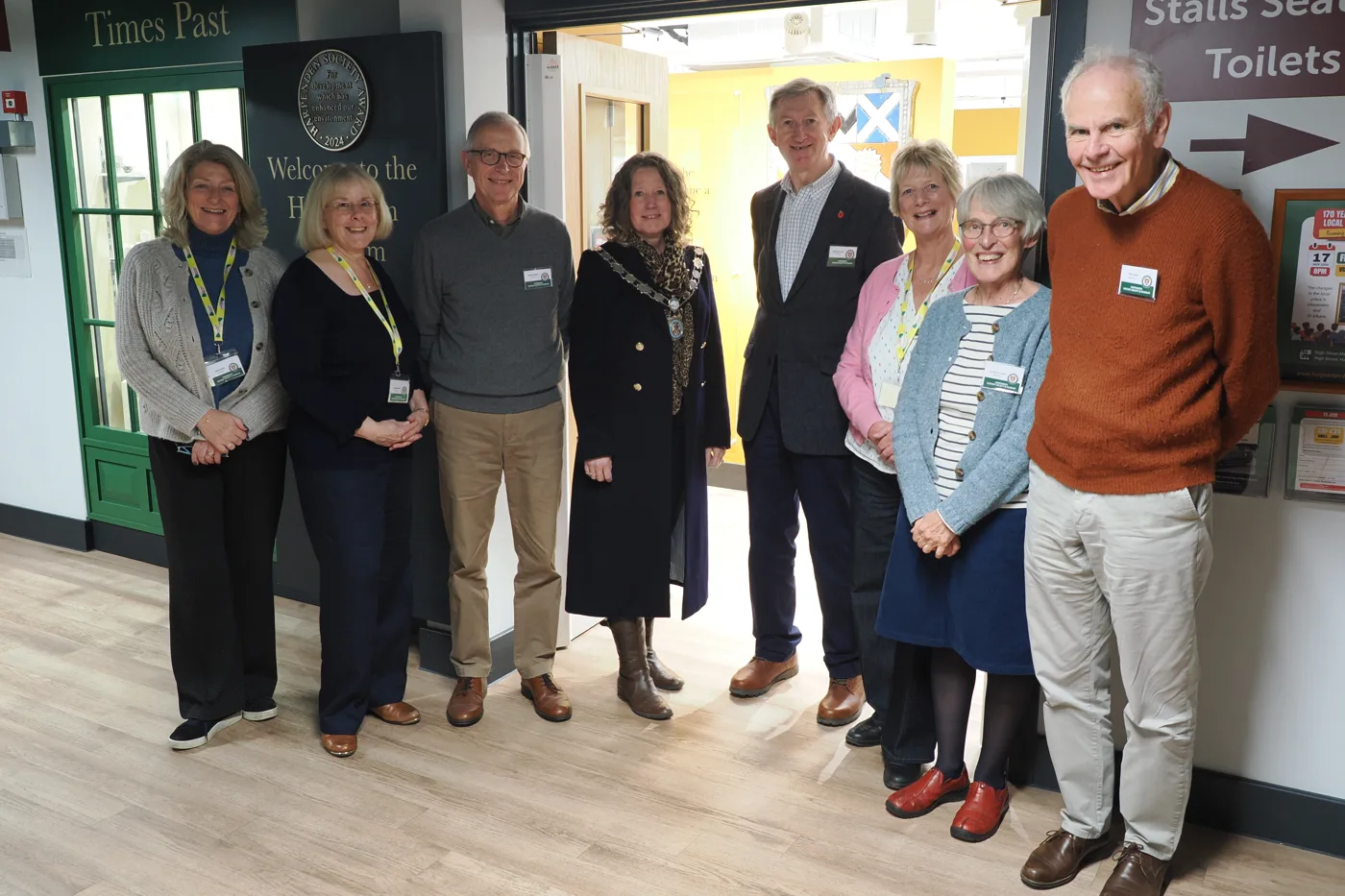

Everyday Life in Inter-war Harpenden is free at the museum in the Eric Morecambe Centre until around the end of January. Open Tuesdays, Thursdays and Saturdays.
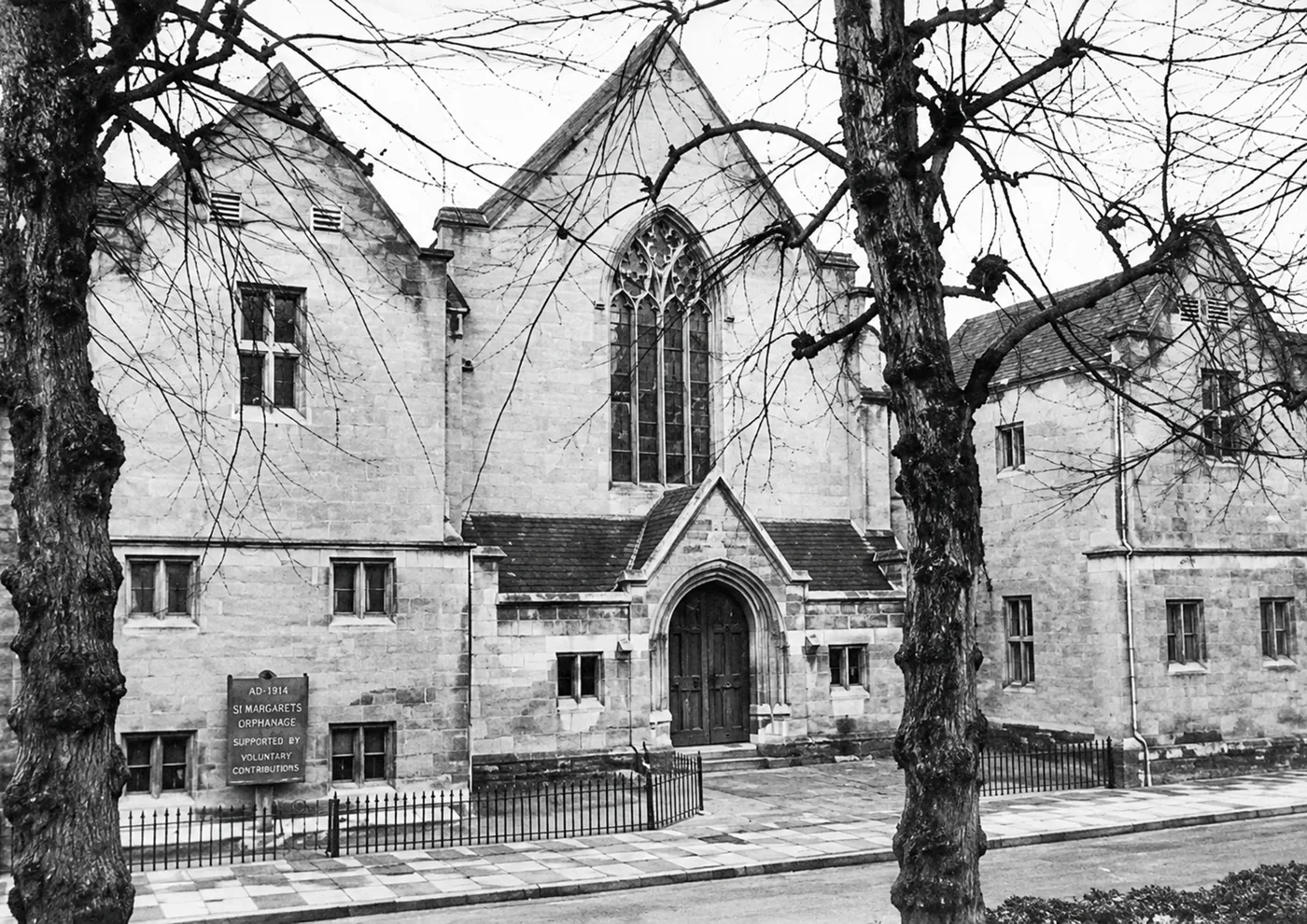
A free exhibition on Everyday Life in Inter-war Harpenden is open at the town’s museum until around the end of January, and one of its stories is that of St Margaret’s Orphanage in Cross Way, a home for girls that has long since closed. The museum is on the lower floor of the Eric Morecambe Centre in Rothamsted Park and is open on Tuesdays, Thursdays and Saturdays.
Overview
- What: Everyday Life in Inter-war Harpenden, maps, photographs and text
- Where: Harpenden Museum, lower floor of the Eric Morecambe Centre, Rothamsted Park, Harpenden AL5 2FR
- When: 11am to 3pm on Tuesdays and Thursdays, 10.30am to 3.30pm on Saturdays, until around the end of January
- Christmas: last day before the break is Saturday 19 December; the museum reopens on Tuesday 5 January
- Cost: free
The exhibition is run by the Harpenden & District Local History Society, a charity of volunteers that operates the museum. It is shown alongside the museum’s standing display of artefacts from Harpenden through the ages.
The girls of St Margaret’s
The Mayor of Harpenden, Cllr Kirsti Wenn, who is also the society’s honorary president, recently visited the exhibition. She said the orphanage was founded in 1904 by the Holy Family Homes Society and was home to up to 24 girls aged four to 16.
“I was saddened to read about conditions at St Margarets Orphanage, Cross Way,” she said. “I read that funding was provided by voluntary subscriptions, charitable donations and money paid by local residents for the laundry work for local houses done by the children.
“Food was limited. Apparently, breakfast consisted of bread and dripping and cocoa, so the children were often hungry. I was told that one resident recorded recounting how the children were given leftovers from the kitchen at St George’s School, where they went to collect laundry, which they would hide in a hedge to eat.”
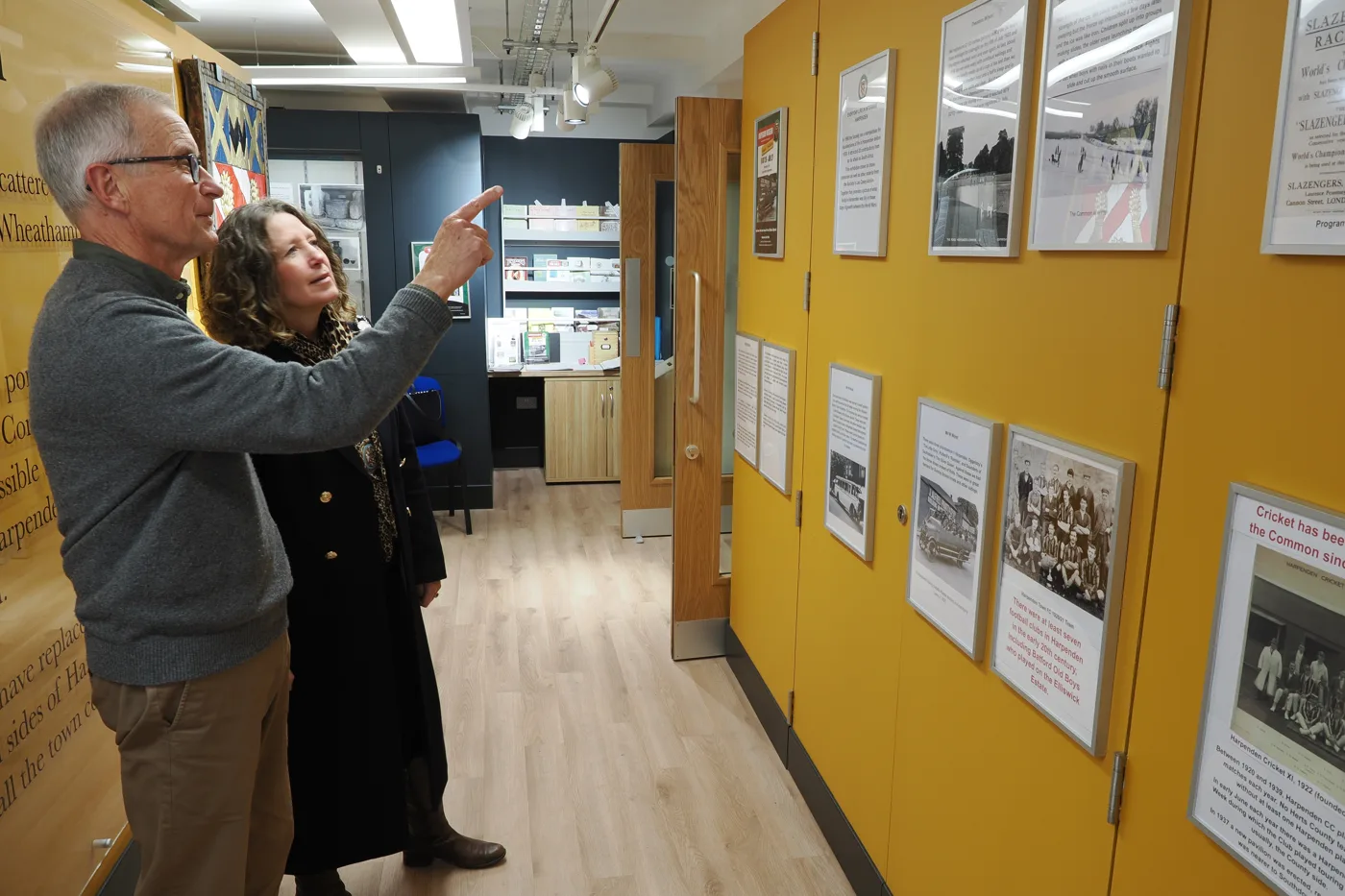
According to the society, money sent to the girls was held by the Sister in charge and used to pay for any breakages, and for material so the children could mend their own clothes.
One former pupil, writing many years after the orphanage had closed and been demolished, remembered it this way: “I am glad this home is down, it was the home from hell. We were slippered, caned, shouted at; it took me well into my thirties before I could pour water over my head, due to having my head pushed in water so often.”
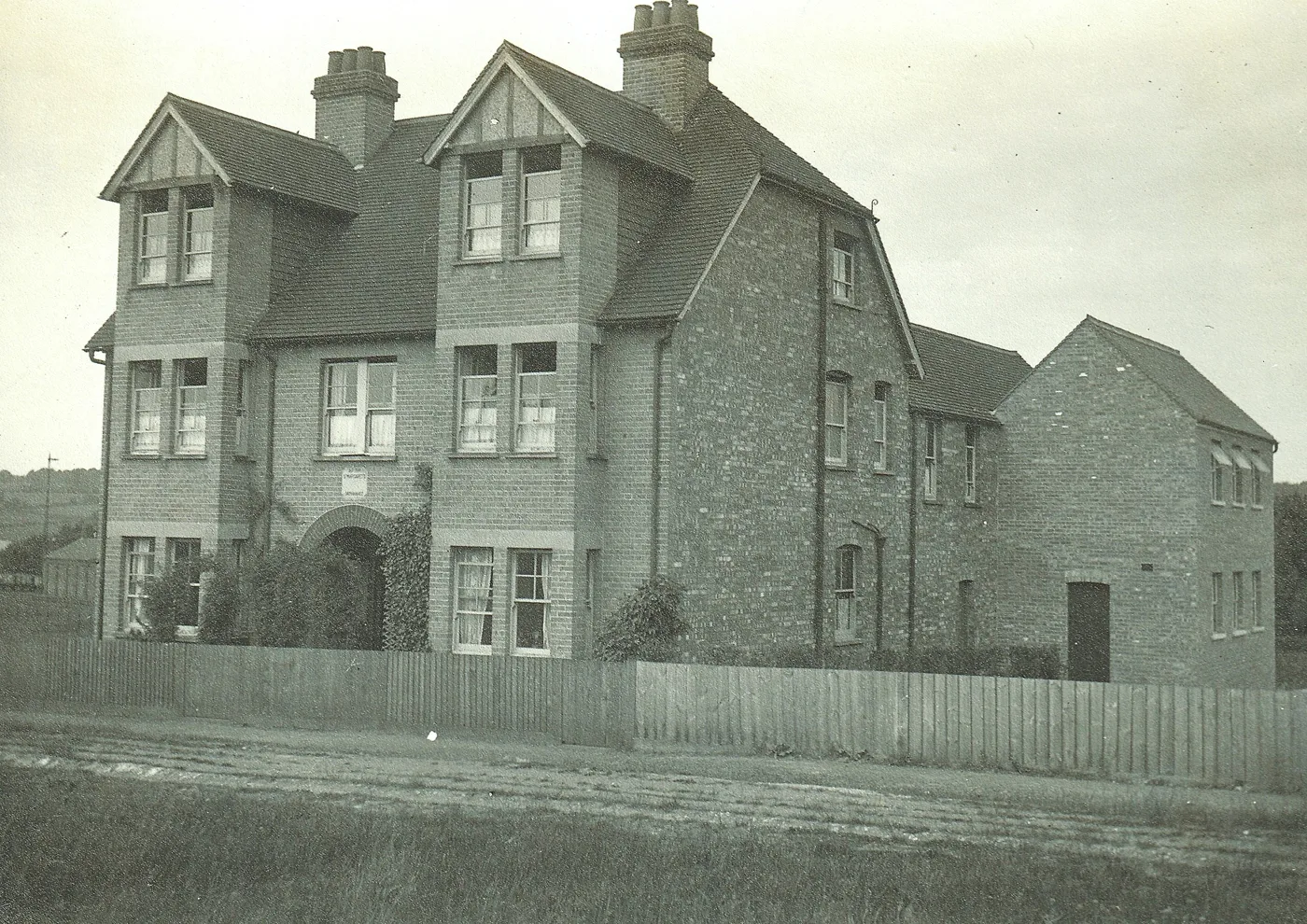
A small block of flats called St Margarets Court now stands on the site in Crossway, built about ten years ago, the society says.
Who did the research
The research was led by the society’s archivist, David Kendall. “Four of us contributed to the research, out of the newly established team of ten researchers now producing material for exhibitions, talks, the website and newsletter,” he said.
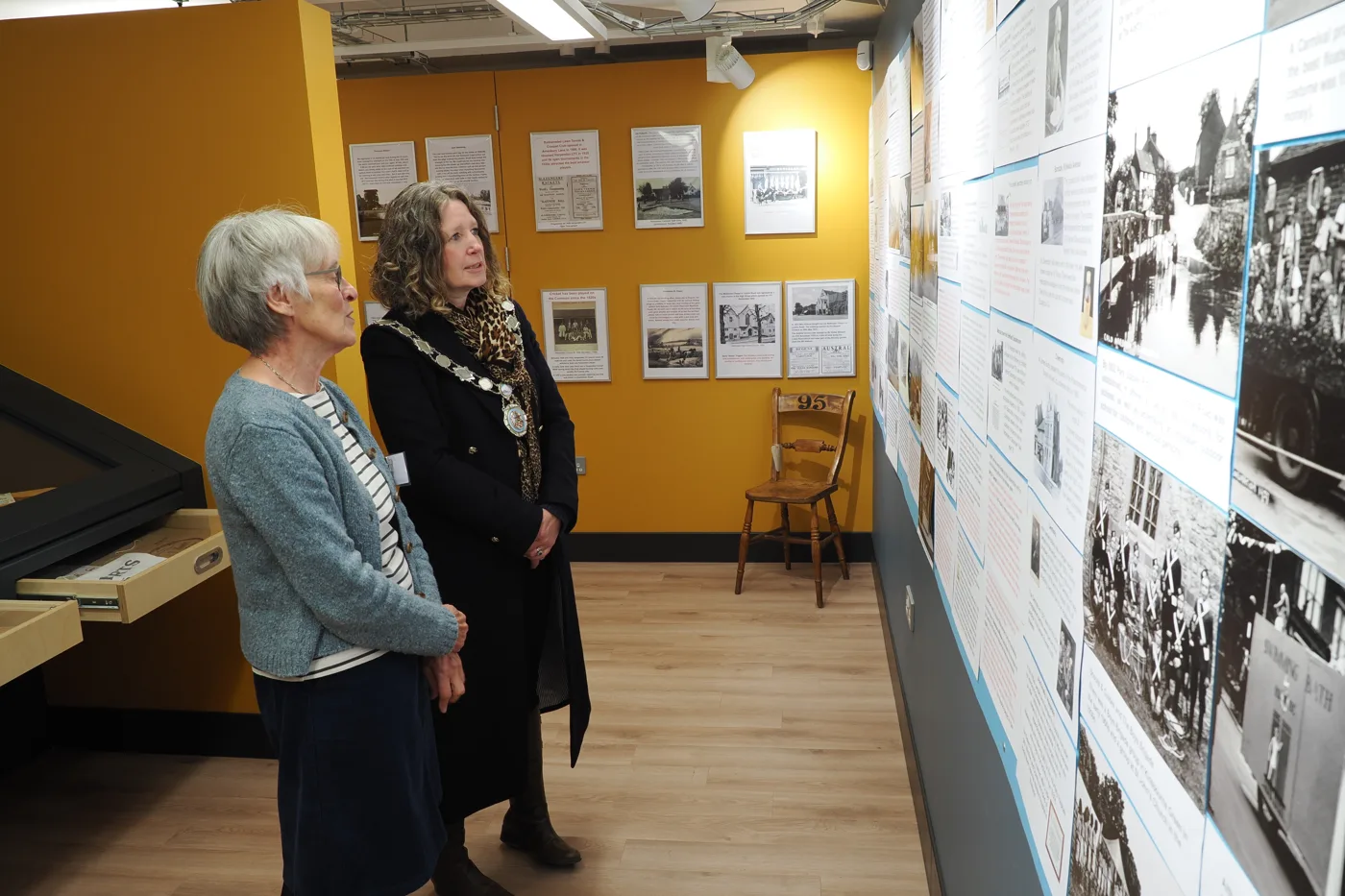
The society’s special exhibitions each run for four months and focus on a particular period or event in Harpenden’s history, so there is a reason to go back.
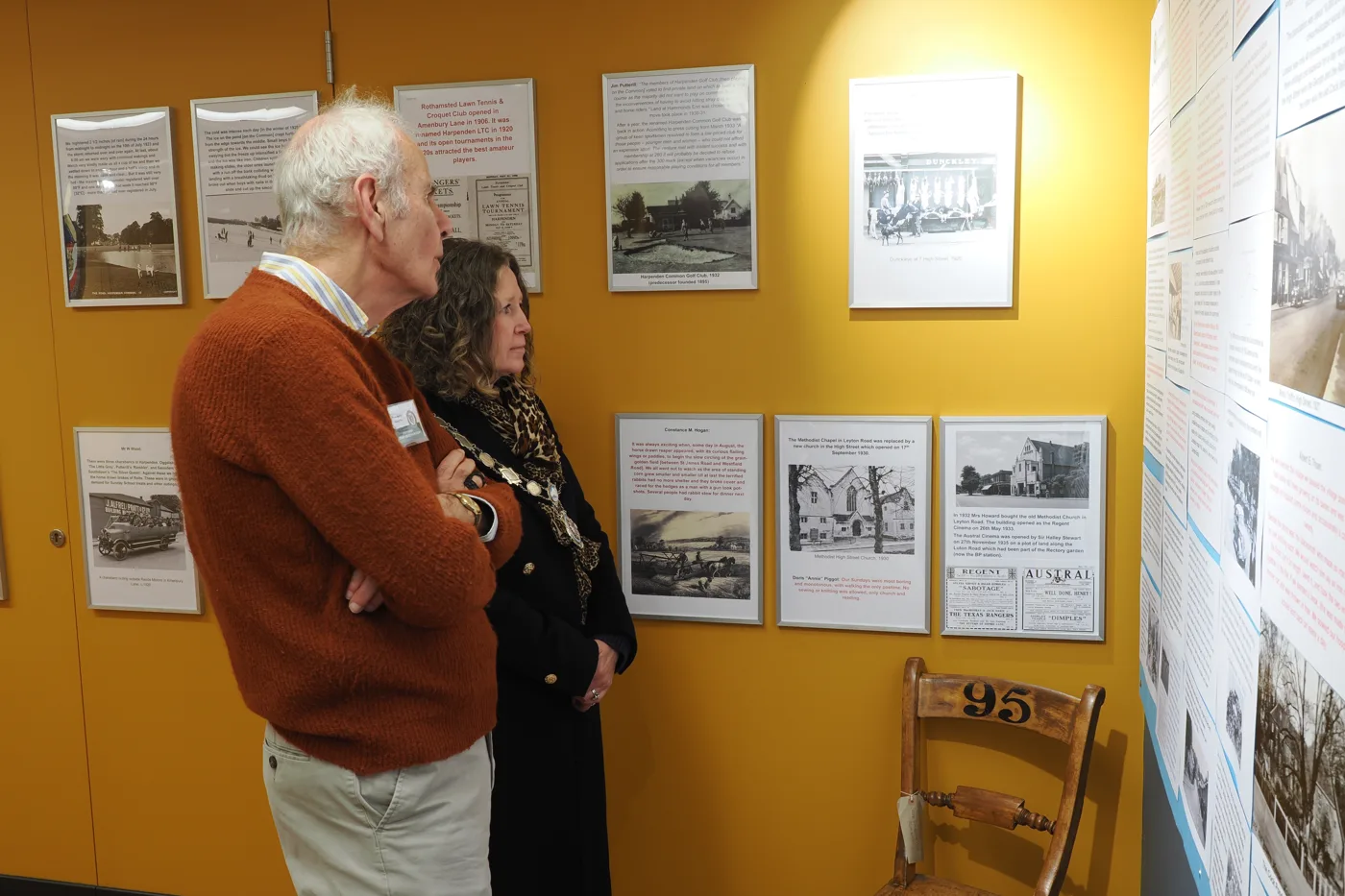
Harpenden between the wars
Alongside the orphanage, the exhibition uses photographs of the town’s streets in the 1930s. These are some of the pictures the society shared.
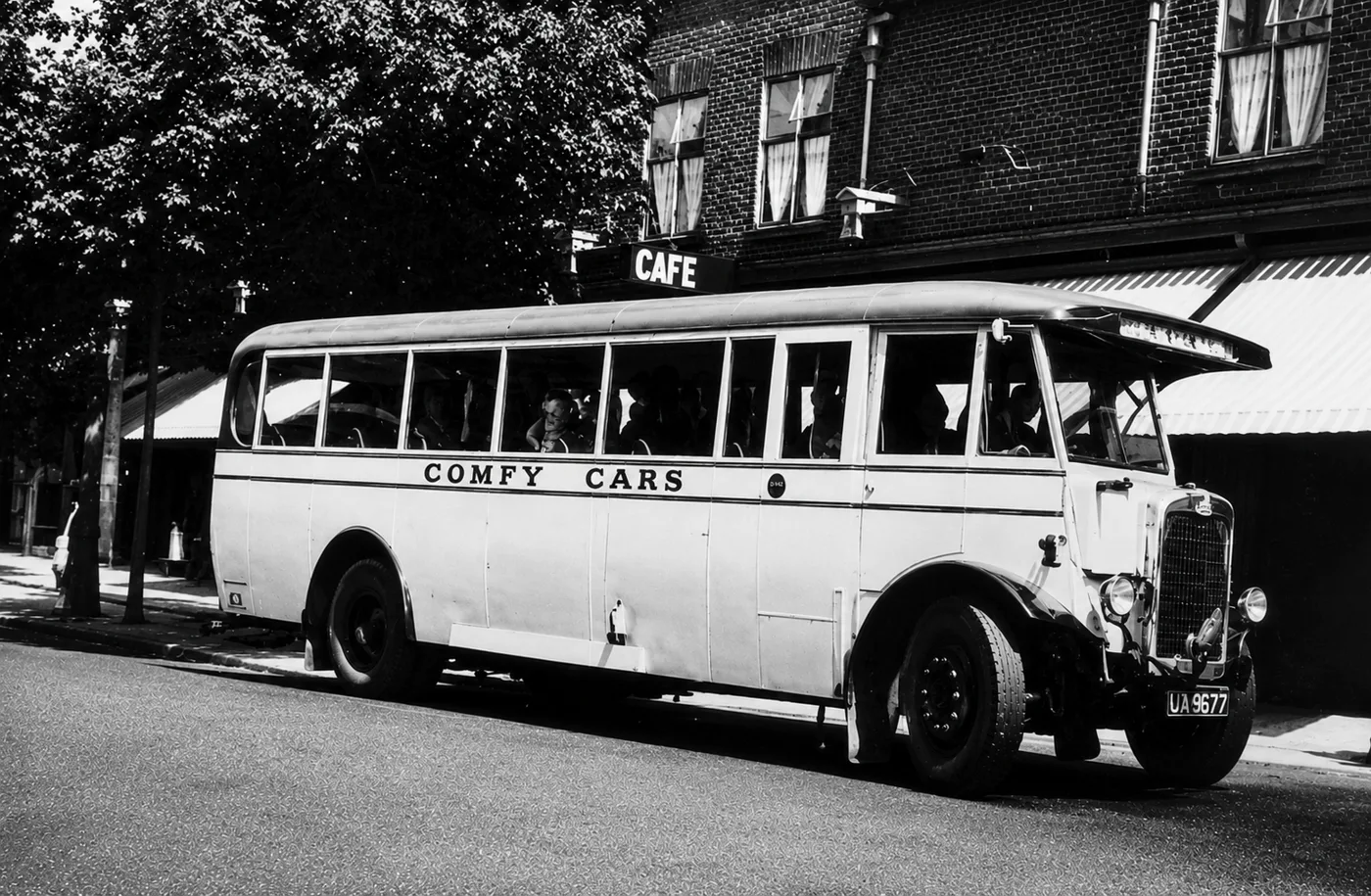
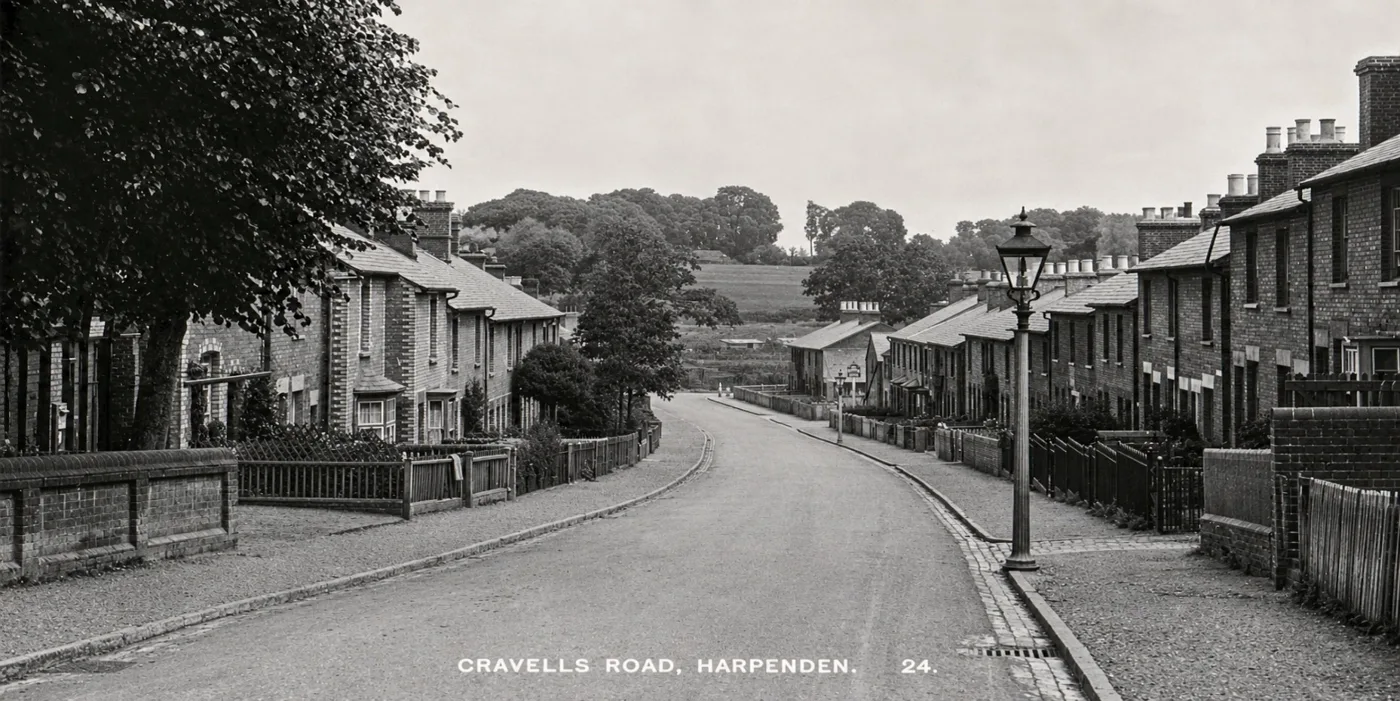
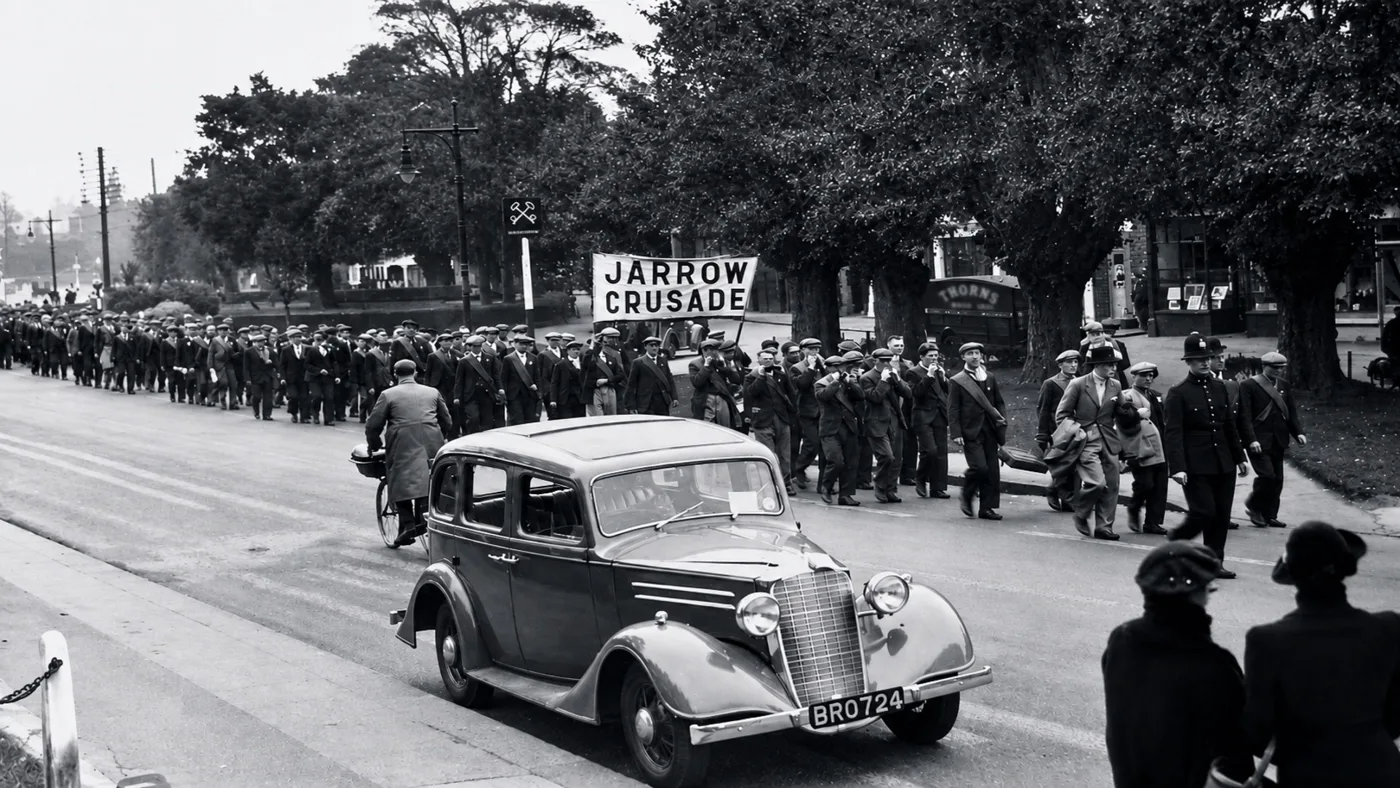
3 photos, tap one to enlarge. Photos: supplied by Harpenden History Society
Visiting the museum
The museum is on the lower floor of the Eric Morecambe Centre in Rothamsted Park. It is ordinarily open from 11am to 3pm on Tuesdays and Thursdays and from 10.30am to 3.30pm on Saturdays, and admission is free. It closes over Christmas and New Year: the last day open is Saturday 19 December and the first day back is Tuesday 5 January.
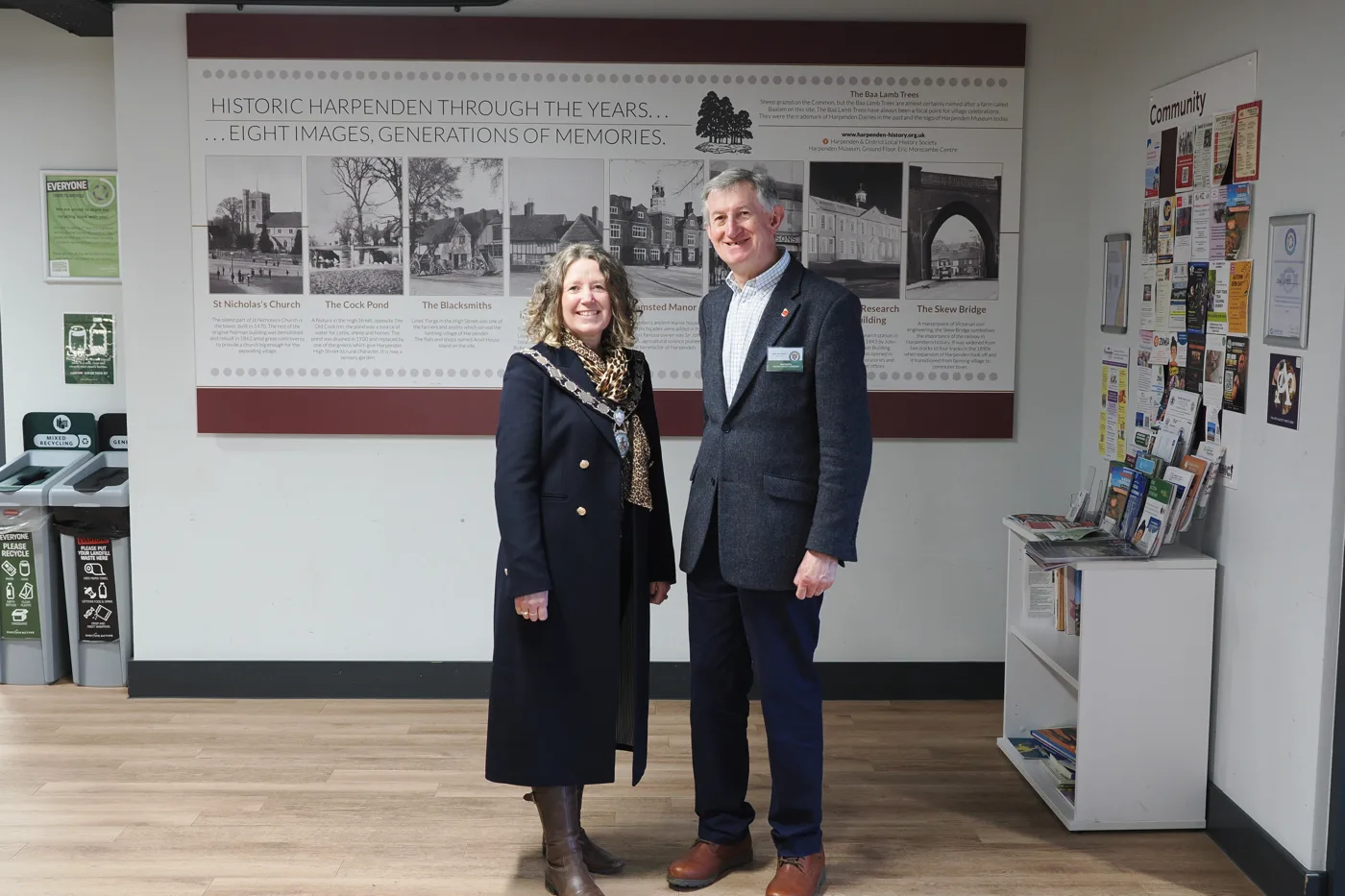
The society is run by volunteers with no government grant or subsidy. It keeps a website of about 1,000 pages and holds monthly talks on local history given by local people. Membership is open to all, at £15 a year for one person or £20 joint, and helps to pay for the exhibitions, talks, website and newsletters. Details are on the Harpenden & District Local History Society website.
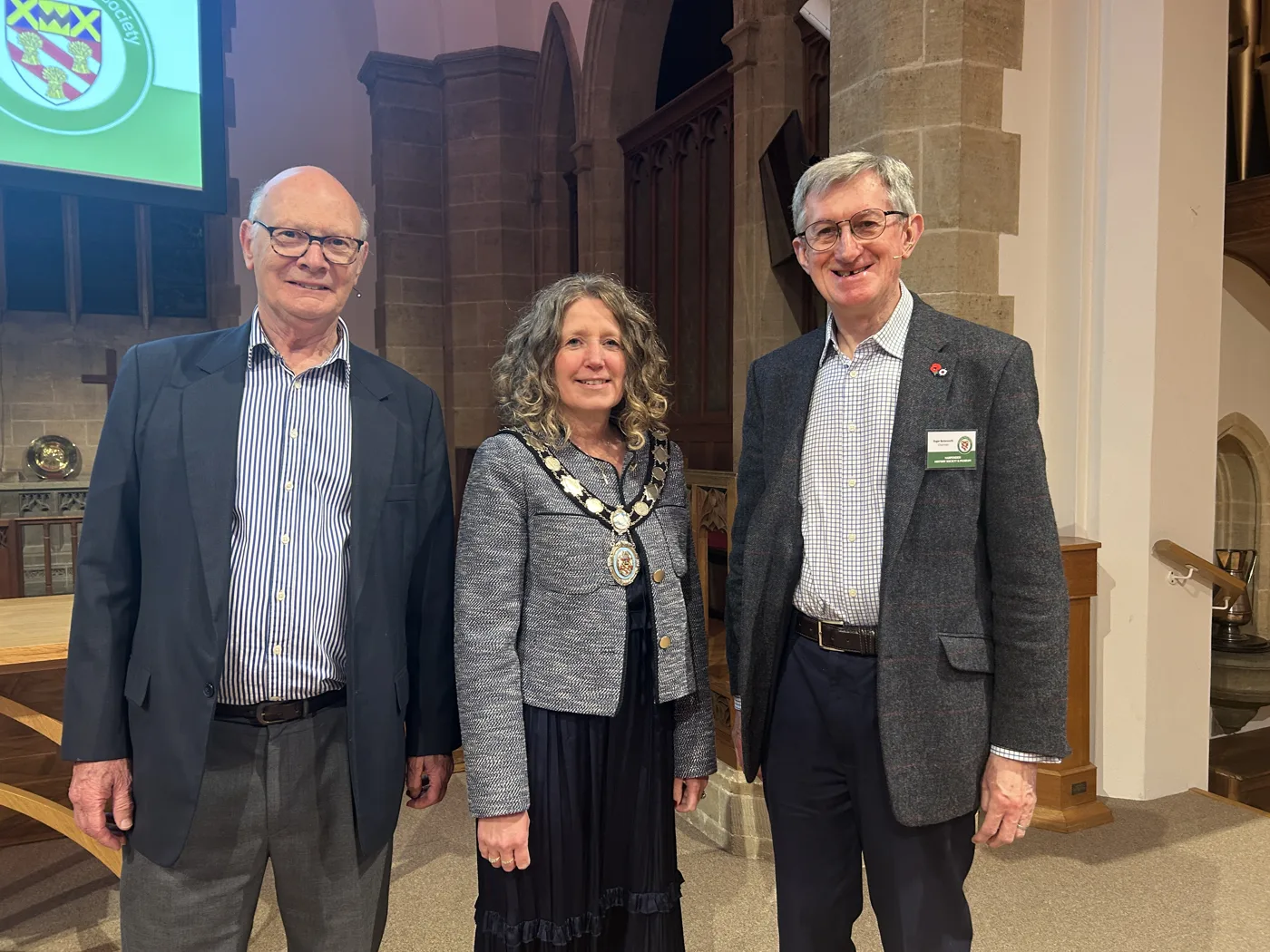
Have your say