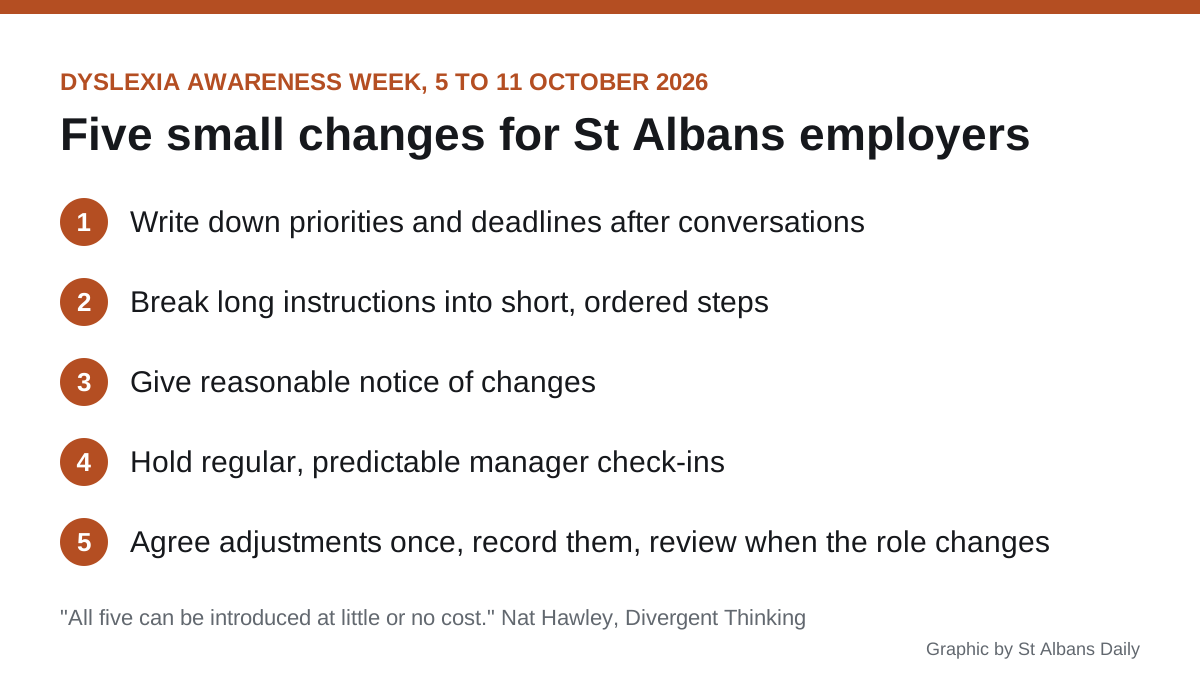

Five small, low-cost changes that stop support for dyslexic staff lapsing after hiring, from St Albans consultant Nat Hawley, for Dyslexia Awareness Week.
Most workplace support for dyslexic people is agreed at the point of hiring, and that is often where it stops. Nat Hawley, a St Albans resident who founded the workplace-neuroinclusion consultancy Divergent Thinking, says the fix is usually not money but management: five small changes, all of which “can be introduced at little or no cost”.
The timing is not accidental. The British Dyslexia Association has made “Dyslexia in real life: At work” the theme of this year’s Dyslexia Awareness Week, which runs from 5 to 11 October 2026. The charity says the week will look at how “recruitment, communication, workplace systems, management and access to adjustments can affect dyslexic employees”, and that it will publish new research and practical guidance for employers, managers and staff during the week.
Hawley combines lived experience of dyslexia, dyspraxia and autism with an MSc in Applied Neuroscience and practical work with employers. We put five questions to Hawley in writing. The answers are below, in Hawley’s own words.

Where support breaks down
“Support often breaks down in the ordinary systems around the job: unclear priorities, long or inaccessible instructions, last-minute changes, inconsistent handovers and managers assuming that silence means everything is fine,” Hawley said.
“In practice, someone may spend unnecessary energy decoding what is expected, compensating for poorly designed processes or repeatedly asking for clarity. The issue is not a lack of ability; it is friction in the way work is communicated and organised.”
Five changes for St Albans employers
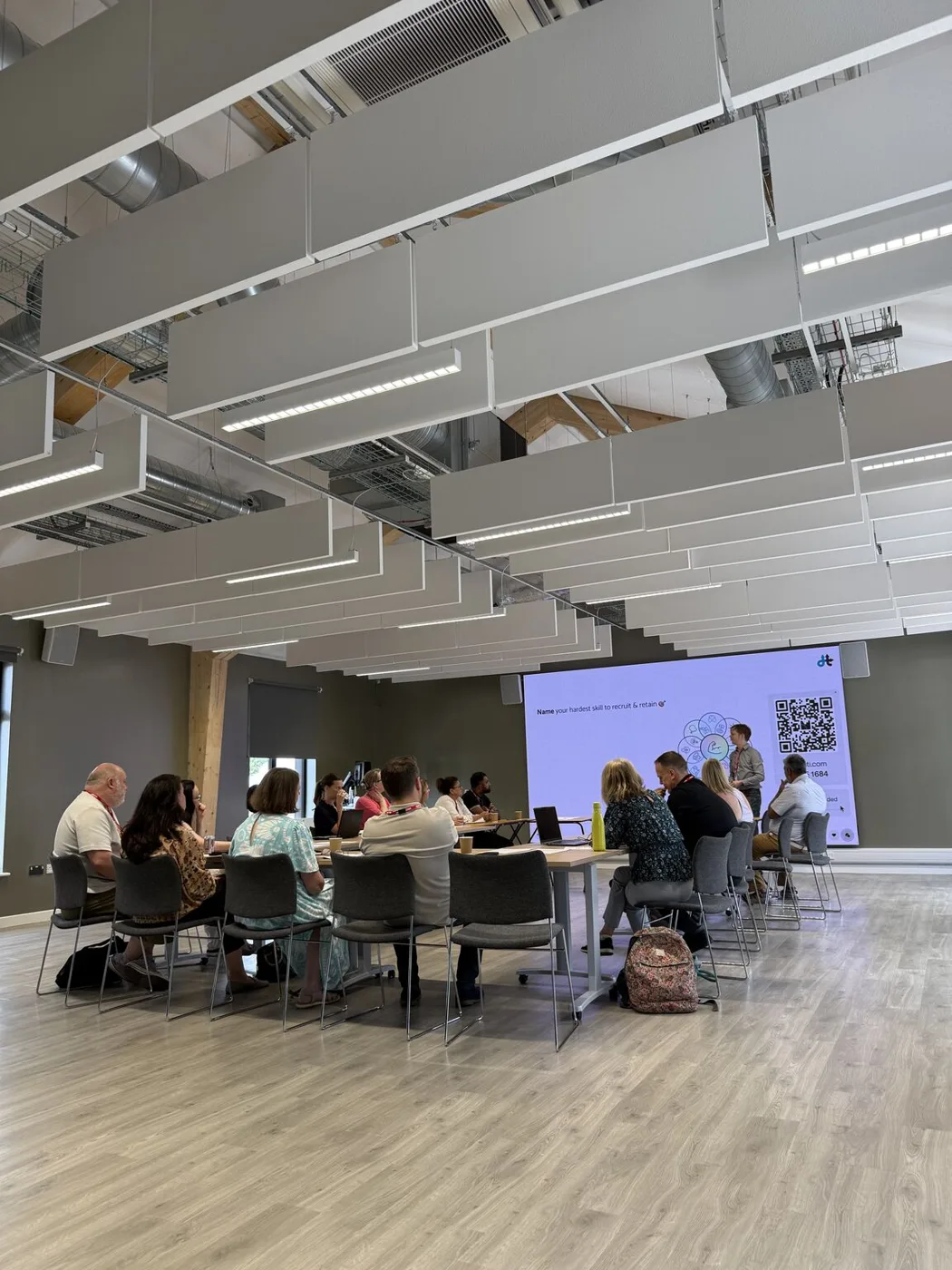
Asked what a St Albans employer should change, Hawley listed five things:
- “Write down priorities and deadlines clearly after conversations.”
- “Break longer instructions into short, ordered steps.”
- “Give reasonable notice of changes wherever possible.”
- “Use regular, predictable manager check-ins to ask what is helping and what is getting in the way.”
- “Agree adjustments once, record them appropriately and review them when the role changes rather than waiting for the employee to struggle.”
“All five can be introduced at little or no cost,” Hawley said. “They are mainly changes in management practice, communication and follow-through.”
Why proving a diagnosis again and again fails
A common complaint is having to explain, or prove, a diagnosis to every new manager. Hawley said that model puts the work back on the person who needs the support.
“Repeated disclosure transfers the burden back to the employee. It can be tiring, expose personal information to more people than necessary and make support depend on confidence, timing and psychological safety.
“A better approach is to make everyday work more accessible by default, respond to the barrier being described and keep an agreed adjustment record so the person does not have to restart the conversation whenever a manager or project changes.”
What managers miss


“Managers often miss the hidden cognitive effort involved,” Hawley said. “A dyslexic employee may still deliver strong work, but at a much higher personal cost because they are compensating for unclear information, switching between formats or checking everything repeatedly to avoid mistakes.
“Managers also sometimes treat an adjustment as a one-off favour rather than part of good job design. In my own experience, the most useful managers are curious, specific and consistent: they ask what removes friction, agree it clearly and then make sure it actually happens.”
What it means for you
If you are dyslexic and adjustments you agreed at work have quietly stopped, Hawley’s advice is to start small and get it in writing:
“Start by gathering the existing agreement and one or two current examples of the impact, then ask the manager for a short review. Keep the request practical: what was agreed, what has stopped happening and what needs to restart. Follow up in writing. If the problem is not resolved, the employee can use the organisation’s HR or workplace-adjustment process and seek independent advice where appropriate.”
If you run a business or manage a team in St Albans or Harpenden, the first four changes on the list are about how instructions and priorities are written down and shared, and cost nothing but time. The fifth, recording adjustments once so they survive a change of manager, is the one Hawley says stops support falling away after the first few months.
The British Dyslexia Association runs a free, confidential helpline on 0333 405 4555 and says it will share its campaign resources for the week on its Dyslexia Awareness Week page.
Have your say